A home can be familiar and still contain obstacles. Start an aging-in-place plan by walking through the rooms with the person who lives there. Ask which tasks feel difficult, where they feel unsteady, and what they want to keep doing independently.
Clear the everyday routes
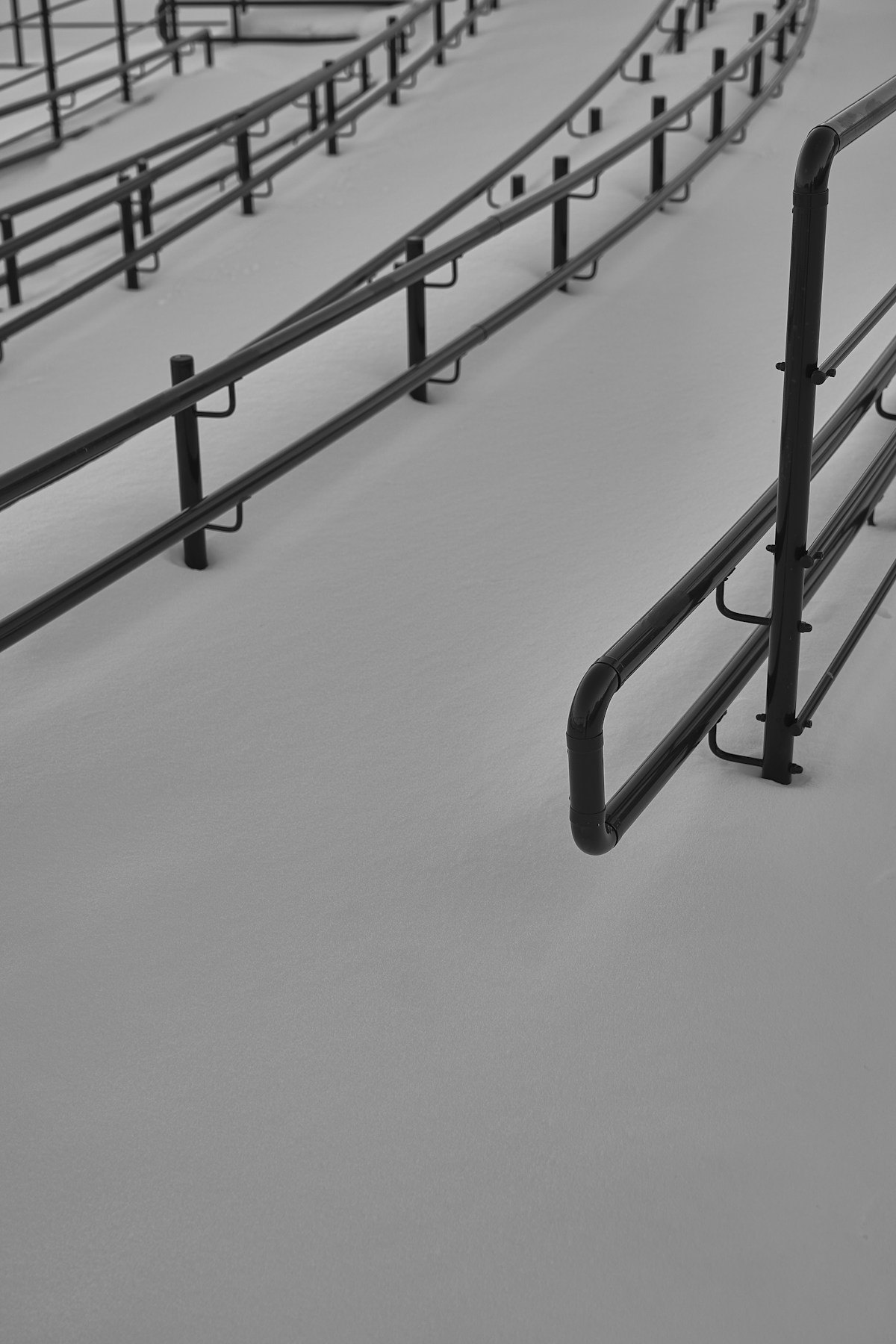
The CDC recommends removing trip hazards, improving lighting, adding bathroom grab bars, and installing railings on both sides of stairs. Check the route from the bed to the bathroom, the front entrance, and the place where groceries are carried in. Move clutter and cords out of walking paths.
For structural work or bathroom supports, use a qualified installer. Ask an occupational therapist or other appropriate clinician whether a home assessment would help tailor changes to the person's mobility and routines. A grab bar must be properly installed to serve its purpose.
Plan beyond the renovation
Remaining at home may also require help with meals, transportation, housekeeping, medicines, or bills. The National Institute on Aging encourages planning for these services as well as the physical space. Make a short list of who can help, what paid services cost, and how the household will respond if the usual helper is unavailable.
Bring falls, dizziness, and changes in balance to a clinician's attention. A medication review and an appropriate strength or balance program may be part of an individual plan. Revisit the home checklist when needs change, rather than treating it as a one-time project.