The 2026 federal midterm election is Tuesday, November 3. Every seat in the House of Representatives and roughly one-third of Senate seats come up in regular congressional elections. Depending on your address, your ballot may also include state and local contests and ballot measures.
Start with your own ballot
National headlines cannot tell you everything on your local ballot. Get a sample ballot from your election office and set aside time to read unfamiliar offices and measures. A sample ballot shows the choices; a voter guide may explain candidates' backgrounds and proposals. Look at who produced a guide and read the original wording of any measure.
Make a short voting plan
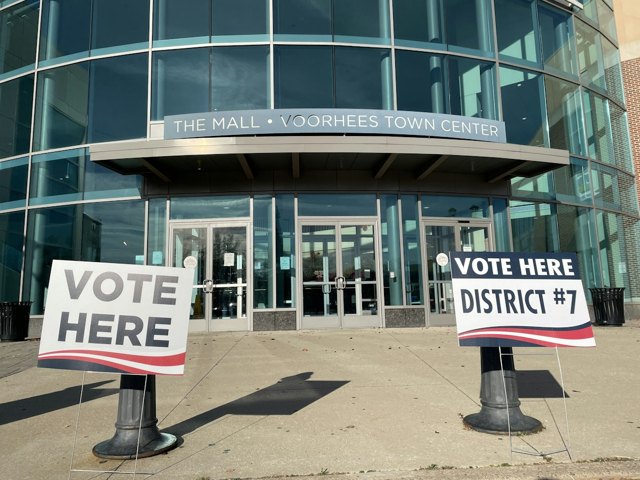
Confirm your registration, find the rules for your chosen voting method, and note the relevant deadline. Then check the location and hours directly with your election office. A past polling place or an old saved calendar entry may no longer be the right one.
Keep the election office's contact information with your notes so that questions about identification, accessibility, or ballot status go to the people administering your election. This guide makes no prediction about which age group will determine the outcome; voting rules and reliable local information are useful to readers of every age.