Election coverage asks for your attention from morning to night. Keeping up does not require responding to every alert. A short reading routine can help you understand what changed, what remains uncertain, and what you need to do yourself.
Give each kind of information its own place
A reported development, a campaign promise, an opinion column, and an instruction about voting serve different purposes. Look for the label, the named source, and the underlying document. When a headline says that someone “could” or “may” do something, keep that uncertainty attached to the story as you discuss it.
Follow one important claim back to its source
Choose a claim that matters to you and look for the full statement, proposal, or public record linked by the report. Notice whether a quote includes its context. If two accounts disagree, identify the particular fact in dispute rather than assuming that every difference is equally significant. A missing detail is a reason to keep reading, not a reason to fill it in yourself.
Keep voting logistics separate from commentary
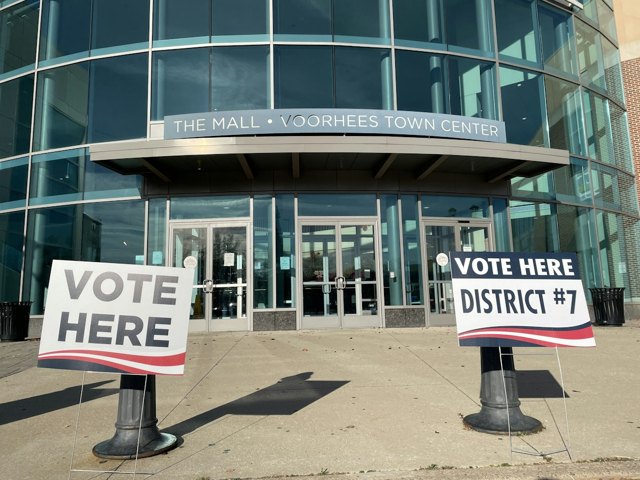
Registration deadlines and voting procedures depend on where you live. USAGov directs readers to state-specific information and local election offices. Check your own official information for registration, polling details, identification requirements, and ballot deadlines. Do not rely on a social post or a national article to supply a rule for your address.
Decide when you are done for the day
Pick a manageable number of reliable sources and a time to check them. Save longer pieces for a quieter moment. You can stay informed while leaving room for conversation, work, and everything else in your day. The aim is to understand the decisions in front of you, not to win a race against the next notification.