A heating bill combines how much energy you use with the price your utility charges. Begin by comparing usage as well as dollars, then look for fixable sources of waste. The Department of Energy recommends assessment, air sealing, insulation and appropriate equipment maintenance.
A manageable weekend list
1. Compare the billing period and energy use with a similar period last year.
2. Check weatherstripping around doors that feel drafty.
3. Identify window gaps and ask which sealing method fits the window.
4. Keep furniture and curtains from obstructing heating outlets.
5. Check the heating filter and follow the equipment’s replacement instructions.
6. Open appropriate curtains for daytime sunshine and close them after dark.
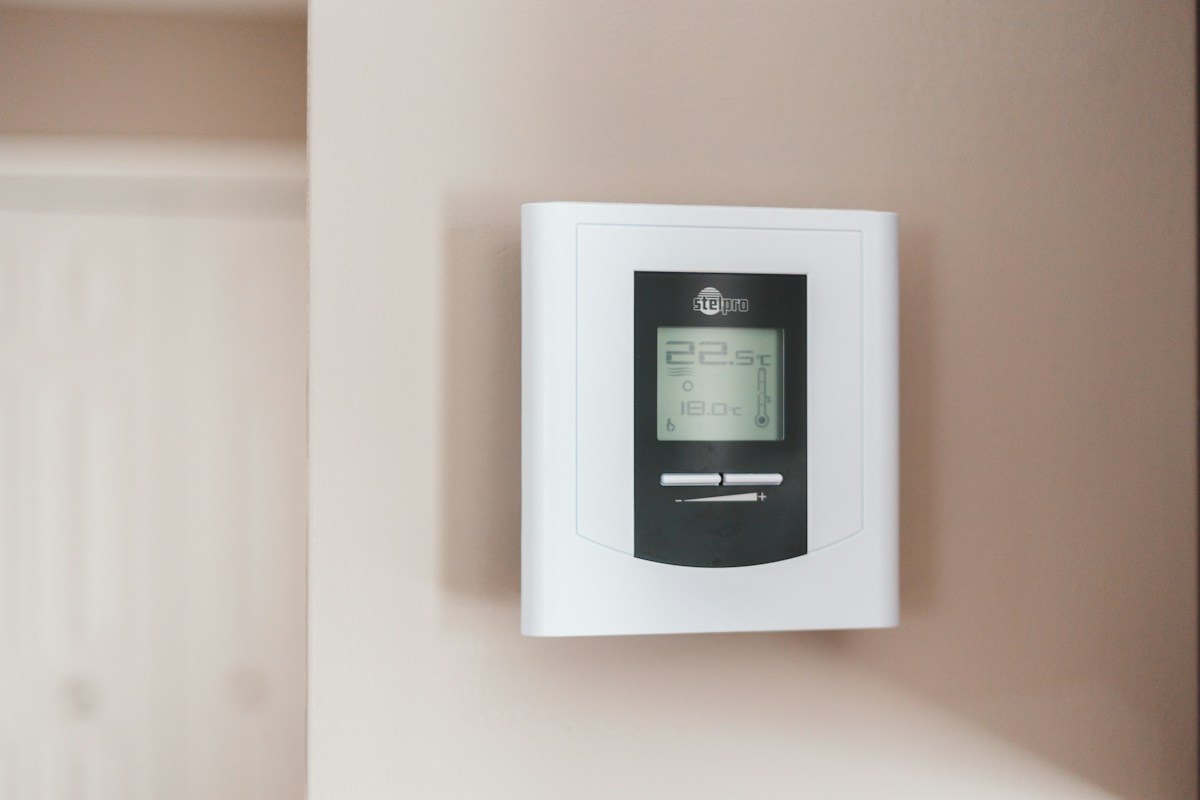
7. Review the thermostat schedule for the hours you are actually home.
8. Arrange overdue professional service, especially if the system is performing poorly.
9. Ask your utility about an energy assessment before buying major equipment or insulation.
Match the change to your home
Thermostat advice is not identical for every system: DOE cautions that heat pumps need suitable controls rather than an indiscriminate large setback. Choose a temperature that remains safe and comfortable for everyone in the home.
Air sealing also needs proper ventilation. Avoid blocking combustion-air openings or making changes beyond your competence. Renters can document drafts and maintenance concerns for the landlord before altering the property.
Keep a note of each change and compare subsequent usage. A promised percentage saving cannot account for your weather, home, heating equipment and utility rate.